
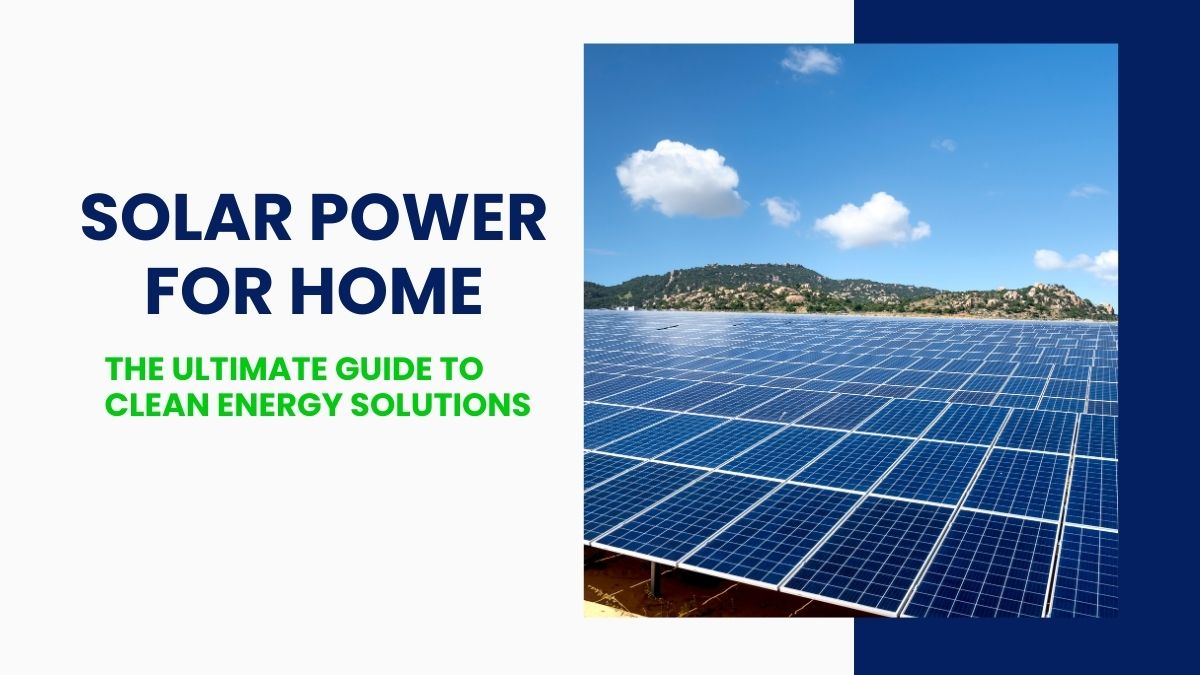
As the world pivots towards sustainable living, homeowners are increasingly exploring alternative energy solutions. Solar power for home use has emerged as a leading choice, offering both environmental benefits and long-term cost savings. Harnessing the power of the sun, solar energy is a clean, renewable resource that can significantly reduce your dependence on traditional electricity grids while contributing to a greener planet.
Understanding Solar Power for Home
Solar power is generated by converting sunlight into electricity using photovoltaic (PV) panels. These panels capture sunlight and convert it into usable electricity for your home appliances, lighting, and other energy needs. The process is efficient, sustainable, and increasingly affordable due to technological advancements and government incentives.
How Solar Panels Work
Solar panels are made of solar cells that absorb photons from sunlight, creating an electric current through the photovoltaic effect. This electricity can either be used immediately or stored in solar batteries for later use. A solar inverter is typically installed to convert direct current (DC) generated by the panels into alternating current (AC) suitable for home appliances.
Types of Home Solar Systems
There are three main types of solar systems suitable for residential use:
- Grid-Tied Systems: These systems are connected to the local power grid. They allow homeowners to use solar energy during the day and draw electricity from the grid when solar production is insufficient.
- Off-Grid Systems: Off-grid systems operate independently of the local grid, requiring battery storage to store excess energy for nighttime or cloudy days. These systems are ideal for remote homes without reliable access to the power grid.
- Hybrid Systems: Hybrid solar systems combine both grid-tied and off-grid capabilities, providing energy flexibility and backup power in case of grid failure.
Benefits of Installing Solar Power at Home
Switching to solar energy comes with numerous advantages that make it an attractive option for homeowners:
1. Reduced Energy Bills
One of the most immediate benefits of solar power is the reduction in electricity bills. Solar panels generate electricity from sunlight, reducing your reliance on grid electricity. Over time, this can lead to substantial savings, especially in regions with high electricity costs.
2. Environmental Sustainability
Solar energy is a clean and renewable source of power. Unlike fossil fuels, it produces no greenhouse gas emissions or air pollutants, helping homeowners reduce their carbon footprint. By adopting solar power, households contribute to mitigating climate change and promoting environmental sustainability.
3. Increased Home Value
Homes equipped with solar panels tend to have higher resale value. Buyers are increasingly seeking energy-efficient homes, and solar installations can make your property more attractive in the real estate market. Studies have shown that solar-powered homes often sell faster and at a premium compared to non-solar homes.
4. Energy Independence
Solar power offers energy independence by reducing reliance on traditional electricity suppliers. With a solar system and battery storage, homeowners can maintain power during outages or peak pricing periods, providing both security and flexibility.
5. Government Incentives
Many governments offer incentives, tax credits, and rebates for homeowners who invest in solar energy. These programs help offset the initial installation costs, making solar power a financially viable option for more households.
Choosing the Right Solar Power System for Your Home
Selecting the appropriate solar system depends on various factors, including your energy consumption, roof space, budget, and geographic location. Understanding these factors is essential for maximizing efficiency and ROI.
1. Assess Your Energy Needs
Before installing solar panels, analyze your household’s electricity consumption. This helps determine the number of panels required and the size of the battery storage system if needed. Smart energy monitoring devices can provide accurate data to guide your solar planning.
2. Evaluate Your Roof Condition
The condition, orientation, and angle of your roof play a significant role in solar panel efficiency. South-facing roofs with minimal shading are ideal for maximum sunlight exposure. Additionally, older roofs may need repairs before installation to ensure long-term performance.
3. Compare Solar Panel Types
Solar panels vary in efficiency, lifespan, and cost. The most common types include:
- Monocrystalline Panels: Highly efficient and durable, suitable for homes with limited roof space.
- Polycrystalline Panels: Slightly less efficient but more affordable.
- Thin-Film Panels: Flexible and lightweight, ideal for unconventional surfaces but less efficient.
4. Choose a Reliable Installer
Professional installation is crucial for system efficiency and longevity. Choose licensed and experienced solar contractors who provide warranties and maintenance services. Reading reviews and verifying certifications can help ensure a quality installation.
Solar Batteries and Storage Solutions
Battery storage enhances the value of solar power by storing excess electricity for later use. Lithium-ion batteries are the most common choice due to their efficiency, long lifespan, and compact size. Homeowners can also explore emerging technologies like flow batteries and solid-state batteries for advanced energy storage.
Battery storage allows for:
- Nighttime energy usage
- Backup power during grid outages
- Load balancing and peak shaving to reduce energy costs
Maintenance and Longevity of Home Solar Systems
Solar panels require minimal maintenance, making them a convenient energy solution. Routine cleaning to remove dust and debris ensures maximum efficiency. Additionally, monitoring the system through online platforms or mobile apps can help detect performance issues early. Most solar panels come with a warranty of 25–30 years, while inverters and batteries may require replacement or servicing every 10–15 years.
Cost of Solar Power for Home
The cost of installing solar power varies based on system size, panel type, and additional components like inverters and batteries. On average, a typical residential solar system can range from $10,000 to $30,000 before incentives. However, with government rebates, tax credits, and reduced energy bills, homeowners often recoup their investment within 5–10 years.
Financing Options
Various financing options make solar power accessible to more households:
- Cash Purchase: Full upfront payment for maximum long-term savings.
- Solar Loans: Borrow funds to install solar panels, repaid over time.
- Leases and Power Purchase Agreements (PPAs): Low upfront cost arrangements where homeowners pay for the electricity generated by the panels.
Solar Power Myths Debunked
Despite its growing popularity, several misconceptions about solar energy persist:
- Myth 1: Solar panels don’t work in cloudy weather.
Truth: Panels generate electricity even on cloudy days, though output may be lower. - Myth 2: Solar is too expensive.
Truth: Costs have dropped dramatically, and incentives reduce financial barriers. - Myth 3: Solar panels require high maintenance.
Truth: Minimal maintenance is needed, mostly periodic cleaning and inspections. - Myth 4: Solar isn’t suitable for small homes.
Truth: Systems can be scaled to fit any size home or energy need.
Environmental Impact of Solar Energy
Adopting solar power significantly reduces greenhouse gas emissions. For every kilowatt-hour (kWh) generated from solar, the equivalent CO2 emissions avoided is roughly 0.85 pounds. Over the lifespan of a residential solar system, this can equate to removing multiple tons of carbon dioxide from the atmosphere, contributing to cleaner air and mitigating climate change.
Future Trends in Home Solar Technology
The solar industry continues to innovate, offering smarter and more efficient solutions:
- Smart Solar Panels: Integrate with IoT devices for real-time energy monitoring.
- Solar Roof Tiles: Seamlessly blend with your roof while generating electricity.
- Improved Storage Solutions: Next-generation batteries enhance efficiency and capacity.
- Community Solar Programs: Allow homeowners to share solar benefits without individual installations.
Tips for Maximizing Solar Efficiency at Home
To get the most out of your solar investment, consider these strategies:
- Optimize panel placement for maximum sun exposure.
- Use energy-efficient appliances to reduce overall electricity demand.
- Monitor energy usage with smart home systems.
- Perform regular panel cleaning and maintenance.
- Explore net metering to sell excess energy back to the grid.
Conclusion
Solar power for home use represents a transformative opportunity to achieve energy independence, reduce electricity costs, and protect the environment. With declining costs, government incentives, and technological advancements, it has never been more accessible or efficient. Whether you are seeking to reduce your carbon footprint, increase your home’s value, or secure a reliable energy source, investing in a solar power system is a decision that pays dividends for years to come. Embracing solar energy today means a cleaner, greener, and more sustainable future for you and the planet.