
Renewable energy solutions are transforming the way the world produces and consumes electricity. As climate change, rising fuel prices, and environmental pollution become global concerns, businesses and households are actively searching for clean energy alternatives. Renewable energy offers sustainable, eco-friendly, and cost-effective solutions that reduce carbon emissions and dependence on fossil fuels.
In this comprehensive guide, we will explore different types of renewable energy, their benefits, real-world applications, costs, challenges, and the future of sustainable power. Whether you are a homeowner, business owner, or environmental enthusiast, this SEO-friendly article will help you understand why renewable energy solutions are the key to a greener future.
What Are Renewable Energy Solutions?
Renewable energy solutions refer to energy sources that are naturally replenished and do not run out over time. Unlike coal, oil, and natural gas, renewable energy comes from natural processes such as sunlight, wind, water, and geothermal heat.
Main Sources of Renewable Energy:
- Solar Energy
- Wind Energy
- Hydropower
- Geothermal Energy
- Biomass Energy
- Ocean Energy
These clean energy solutions reduce greenhouse gas emissions and promote environmental sustainability.
1. Solar Energy Solutions
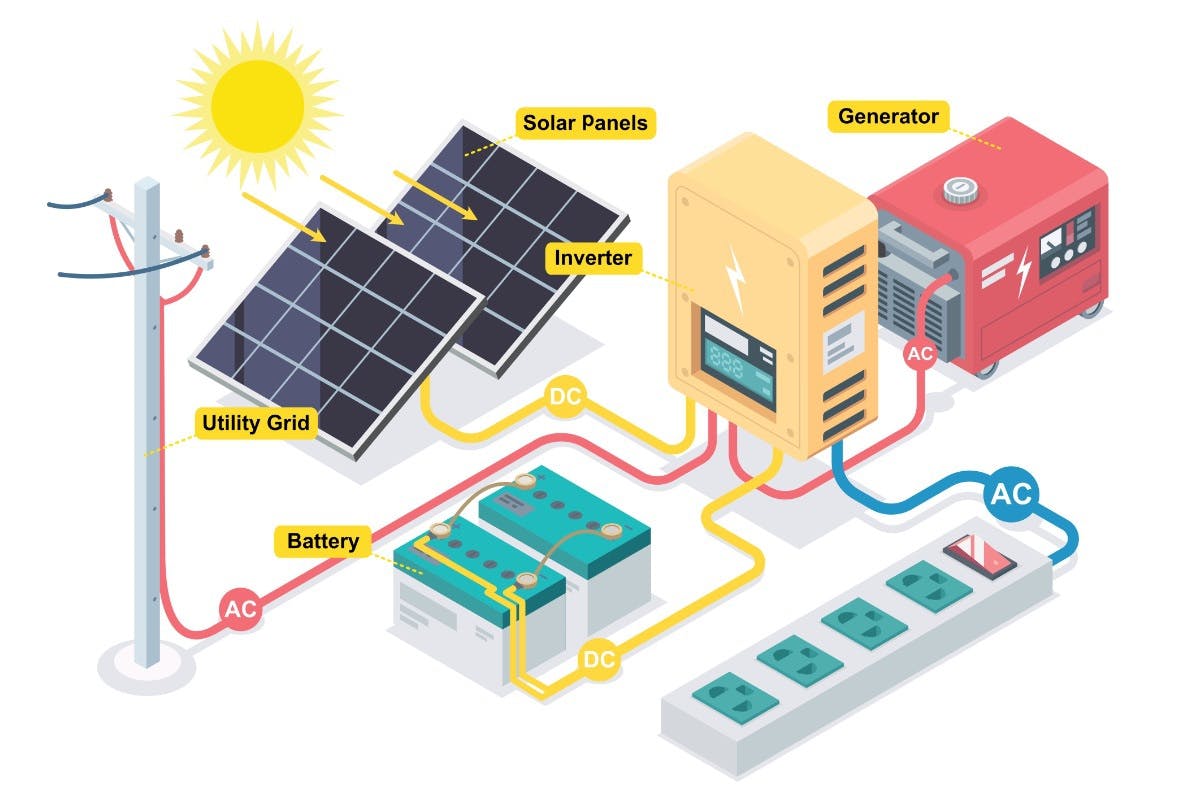
Solar energy is one of the most popular renewable energy solutions worldwide. It converts sunlight into electricity using photovoltaic (PV) panels.
How Solar Energy Works
Solar panels absorb sunlight and convert it into direct current (DC) electricity. An inverter converts DC into alternating current (AC), which powers homes and businesses.
Types of Solar Energy Systems
- Grid-tied solar systems
- Off-grid solar systems
- Hybrid solar systems with battery storage
Benefits of Solar Energy
- Reduces electricity bills
- Low maintenance costs
- Increases property value
- Environmentally friendly
- Energy independence
Solar energy solutions are especially effective in sunny regions, making them ideal for residential and commercial installations.
2. Wind Energy Solutions
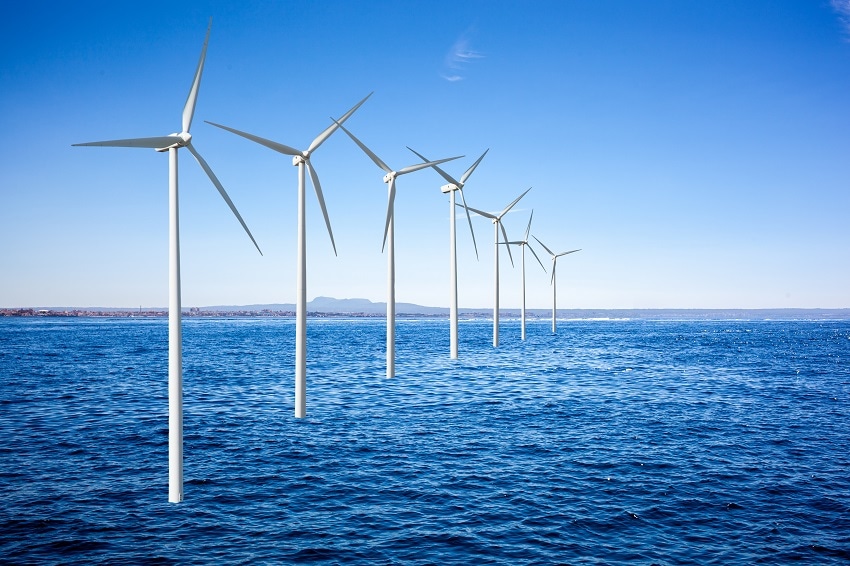
Wind energy is generated by converting wind motion into electricity using turbines.
How Wind Energy Works
Wind turns turbine blades connected to a generator, producing electricity. Large wind farms can supply power to thousands of homes.
Advantages of Wind Energy
- Clean and renewable
- Low operating costs
- Scalable from small to utility-scale
- Reduces reliance on fossil fuels
Wind power is one of the fastest-growing renewable energy technologies globally.
3. Hydropower Solutions

Hydropower uses flowing water to generate electricity. It is one of the oldest renewable energy solutions.
Types of Hydropower Systems
- Large hydroelectric dams
- Run-of-river systems
- Micro-hydropower for rural communities
Benefits of Hydropower
- Reliable and consistent energy
- Long lifespan
- Low greenhouse gas emissions
- Flood control and irrigation support
Hydropower remains a key contributor to renewable electricity worldwide.
4. Geothermal Energy Solutions

Geothermal energy harnesses heat from beneath the Earth’s surface.
How Geothermal Energy Works
Heat from underground reservoirs produces steam, which drives turbines to generate electricity.
Benefits of Geothermal Energy
- 24/7 energy supply
- Low carbon footprint
- Small land requirement
- Long-term sustainability
Geothermal solutions are particularly effective in regions with volcanic activity.
5. Biomass Energy Solutions

Biomass energy uses organic materials such as wood, crop waste, and animal manure to produce electricity and heat.
Types of Biomass Energy
- Biogas
- Biofuels
- Wood pellets
- Waste-to-energy systems
Advantages
- Reduces landfill waste
- Supports rural economy
- Renewable and carbon-neutral
Biomass energy solutions help convert waste into valuable energy resources.
Benefits of Renewable Energy Solutions
Switching to renewable energy offers numerous environmental and economic benefits:
1. Environmental Protection
- Reduces carbon emissions
- Minimizes air pollution
- Conserves natural resources
2. Economic Growth
- Creates green jobs
- Stimulates innovation
- Reduces energy import costs
3. Energy Security
- Diversifies energy sources
- Reduces dependence on fossil fuels
4. Long-Term Savings
Although installation costs can be high, renewable energy systems significantly reduce long-term electricity expenses.
Renewable Energy for Homes
Homeowners are increasingly adopting clean energy solutions such as rooftop solar panels, home battery storage, and small wind turbines.
Popular Residential Solutions:
- Solar rooftop systems
- Solar water heaters
- Battery storage systems
- Energy-efficient appliances
Investing in home renewable energy solutions improves sustainability and property value.
Renewable Energy for Businesses
Businesses are adopting renewable energy to lower operating costs and meet sustainability goals.
Commercial Solutions:
- Large-scale solar installations
- Corporate wind energy agreements
- Green building certifications
- Electric vehicle charging stations
Renewable energy enhances brand reputation and corporate responsibility.
Challenges of Renewable Energy Solutions
Despite many advantages, renewable energy faces challenges:
- High upfront installation costs
- Weather dependency (solar and wind)
- Energy storage limitations
- Grid infrastructure upgrades
However, technological advancements are rapidly solving these issues.
The Future of Renewable Energy
The future of renewable energy solutions looks promising. Innovations in battery storage, smart grids, hydrogen energy, and artificial intelligence are accelerating global clean energy adoption.
Governments worldwide are setting carbon neutrality targets and investing heavily in sustainable infrastructure.
Emerging Trends:
- Solar panel efficiency improvements
- Offshore wind expansion
- Green hydrogen production
- Community energy projects
- Smart energy management systems
Renewable energy will continue to play a crucial role in combating climate change and promoting sustainable development.
Why Renewable Energy Is the Best Long-Term Investment
Renewable energy solutions offer:
- Environmental sustainability
- Economic savings
- Energy independence
- Long-term reliability
As fossil fuel prices fluctuate and environmental regulations tighten, renewable energy becomes a smart and future-proof investment.
Conclusion
Renewable energy solutions are reshaping the global energy landscape. From solar and wind to hydropower, geothermal, and biomass, clean energy technologies provide sustainable, eco-friendly alternatives to fossil fuels.
Investing in renewable energy is not just about saving money—it’s about protecting the planet for future generations. Whether you are planning to install solar panels at home or considering green energy options for your business, now is the perfect time to transition toward sustainable power.
By embracing renewable energy solutions, we can build a cleaner, greener, and more energy-secure world.