
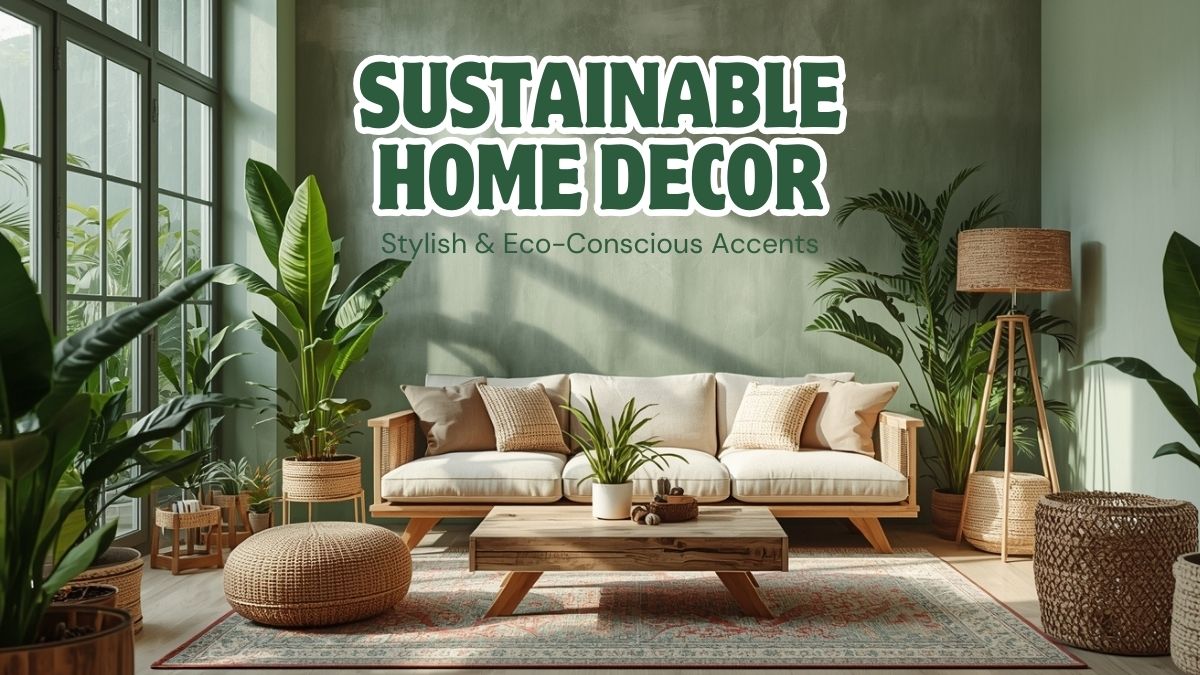
Creating a beautiful space does not have to harm our planet. Numerous residents now choose sustainable home decor to reflect their values while keeping their living areas looking fresh. This significant transition demonstrates that style and ethics can work together perfectly.
Contemporary living often necessitates a fast-paced lifestyle, but our surroundings can offer a calm retreat. Choosing pieces that respect the environment helps build a healthier atmosphere for everyone. It is a rewarding way to refresh your surroundings without any guilt.

By selecting items made from recycled materials or natural fibers, you help reduce waste. This path toward eco-friendly accents makes your sanctuary unique and meaningful. It is about making smart choices that benefit your family and the world.
You might find that vintage finds or handmade crafts add more character than mass-produced goods. These choices tell a story and bring warmth to every room. Every small change contributes to a larger movement of conservation and care.
Embracing a green aesthetic allows you to showcase your personality through conscious design. Let’s explore how these small additions can make a huge impact on your daily life. It is time to transform your space with intention.
Key Takeaways
- Planet-friendly materials help reduce your environmental footprint significantly.
- Repurposed furniture adds unique character and saves money during renovations.
- Energy-efficient lighting lowers utility bills and protects precious natural resources.
- Indoor plants improve air quality and add natural beauty to any room.
- Conscious shopping supports ethical brands and talented local artisans.
- Simple changes can create a healthier and more peaceful environment for families.
What Makes Home Decor Truly Sustainable
The journey to a sustainable home begins with understanding the elements that make home decor truly eco-friendly. As we become more conscious of our environmental footprint, the choices we make in furnishing and decorating our homes play a significant role in reducing waste and promoting sustainability.
Understanding Eco-Friendly Materials
Eco-friendly materials are at the heart of sustainable home decor. These materials are sourced and manufactured in ways that minimize environmental harm. Eco-friendly materials can range from recycled metals and sustainably sourced wood to organic textiles and natural fibers. When selecting decor items, it’s essential to consider the origin of the materials and their impact on the environment.
The Lifecycle of Sustainable Decor Items
The lifecycle of a decor item, from production to disposal, significantly impacts its sustainability. Sustainable decor lifecycle involves considering the durability, recyclability, and biodegradability of the item. Choosing items that are made to last and can be recycled or biodegradable reduces waste and supports a circular economy.
Certifications and Labels to Trust
With the rise in eco-conscious consumerism, various certifications and labels have emerged to help identify sustainable products. Eco-labels such as FSC (Forest Stewardship Council) for wood products, GOTS (Global Organic Textile Standard) for textiles, and ENERGY STAR for energy-efficient appliances are indicators of a product’s sustainability credentials. Understanding these labels can empower consumers to make informed choices.
Why Choose Sustainable Home Decor for Your Space
Embracing sustainable home decor is not just a trend, but a conscious choice that benefits both you and the planet. As we continue to navigate the complexities of environmental conservation, making informed decisions about our living spaces becomes increasingly important.
The benefits of sustainable home decor are multifaceted, ranging from reducing our ecological footprint to enhancing our personal well-being. Let’s delve into some of the key reasons why sustainable home decor stands out as a preferable choice.
Environmental Impact of Traditional Decor
Traditional home decor often comes with a hefty environmental price tag. The production, transportation, and disposal of conventional decor items contribute significantly to pollution, waste, and carbon emissions. For instance, the furniture industry alone is responsible for a substantial portion of global deforestation and greenhouse gas emissions.
Some of the environmental impacts include:
- Deforestation and habitat destruction due to the demand for wood and other natural resources
- Pollution from manufacturing processes and chemical treatments
- Waste generation from packaging and discarded decor items
Health Benefits of Non-Toxic Materials
Sustainable home decor often incorporates non-toxic materials that are healthier for occupants. Unlike traditional decor that may off-gas harmful chemicals, sustainable options promote indoor air quality and reduce the risk of health issues.
The health benefits include:
- Reduced exposure to volatile organic compounds (VOCs)
- Lower risk of allergies and respiratory problems
- A healthier living environment for families and pets
Long-Term Cost Effectiveness
While sustainable home decor may sometimes have a higher upfront cost, it often proves to be more cost-effective in the long run. Durable, high-quality sustainable decor items can last for years, reducing the need for frequent replacements.
Consider the following cost-saving aspects:
- Durability and longevity of sustainable decor
- Energy efficiency of sustainable lighting and other decor elements
- Potential savings on healthcare costs due to improved indoor air quality
Natural Materials That Transform Your Living Space
Natural materials have the power to revolutionize your home decor, making it both stylish and eco-friendly. By incorporating elements like reclaimed wood, organic textiles, bamboo, and natural stone, you can create a living space that is not only aesthetically pleasing but also sustainable.
Reclaimed Wood Accents and Furniture
Reclaimed wood is a highly sought-after material for home decor due to its unique character and history. It reduces the need for new lumber, thereby conserving forests and decreasing the environmental impact of wood processing. Reclaimed wood can be used for various decorative elements, including furniture, wall paneling, and flooring.
“Reclaimed wood brings a piece of history into your home, adding warmth and character to any room,” says a renowned interior designer. Its distinctiveness lies in its weathered appearance and the stories it tells of the past.
Organic Cotton and Linen Textiles
Organic cotton and linen textiles are excellent choices for those looking to make their home decor more sustainable. These materials are grown without the use of toxic pesticides or synthetic fertilizers, making them better for the environment and human health. They are also biodegradable, reducing the amount of waste that ends up in landfills.
- Soft and breathable
- Eco-friendly production process
- Durable and long-lasting
Bamboo and Rattan Pieces
Bamboo and rattan are highly renewable resources that can be used to create a variety of home decor items, from furniture to lighting fixtures. Bamboo is particularly noted for its fast growth rate, making it a highly sustainable option. Rattan, on the other hand, is valued for its durability and flexibility.
These materials not only add a natural touch to your home but also support eco-friendly practices.
Cork and Natural Stone Elements
Cork and natural stone are other natural materials that can enhance your living space. Cork is harvested from cork oak trees without harming them, making it a sustainable choice. Natural stone, such as marble and granite, is durable and can be used for countertops, flooring, and wall cladding.
“Natural stone adds a touch of elegance and sophistication to any room, while cork provides a soft, warm texture.”
Eco-Conscious Textiles and Soft Furnishings
As we continue our journey into sustainable home decor, it’s time to focus on the soft elements that make a house a home. Textiles and soft furnishings play a significant role in defining the aesthetic and feel of our living spaces. By choosing eco-conscious options, we can significantly reduce our environmental footprint while enhancing the comfort and beauty of our homes.
Eco-friendly textiles are made from materials that are sustainably sourced, produced, and distributed. These materials not only reduce waste and conserve resources but also promote healthier living environments. Let’s explore some of the key elements that can transform your home into an eco-friendly haven.
Organic Throw Pillows and Cushions
One of the simplest ways to introduce sustainability into your decor is through organic throw pillows and cushions. Made from natural fibers such as organic cotton, hemp, or linen, these pieces are not only stylish but also free from harmful chemicals and pesticides. They add a touch of natural elegance to any room, from the living room to the bedroom.

When shopping for organic throw pillows, look for certifications like GOTS (Global Organic Textile Standard) to ensure the product meets rigorous environmental and social criteria. These pillows are available in a wide range of patterns, colors, and textures, making it easy to find the perfect match for your existing decor.
Sustainable Area Rugs and Floor Coverings
Sustainable area rugs and floor coverings are another crucial element in creating an eco-friendly home. Materials such as recycled fibers, natural jute, sisal, and organic wool are not only durable but also environmentally friendly. These rugs can add warmth and character to any room while supporting sustainable practices.
When selecting a sustainable area rug, consider the production process and the materials used. Look for rugs made from natural, renewable resources or those that incorporate recycled materials. Proper care and maintenance can extend the life of your rug, further reducing its environmental impact.
Eco-Friendly Window Treatments
Eco-friendly window treatments are essential for controlling light, ensuring privacy, and enhancing the energy efficiency of your home. Options such as bamboo shades, organic cotton curtains, and recycled fabric drapes offer stylish and sustainable solutions. These materials are not only better for the environment, but they also bring a natural, organic feel to your interiors.
In addition to their aesthetic appeal, eco-friendly window treatments can help regulate the temperature in your home, reducing the need for artificial heating and cooling. This not only saves energy but also contributes to a more comfortable living environment.
Upcycled Fabric Wall Hangings
Upcycled fabric wall hangings are a creative way to decorate your walls while promoting sustainability. By repurposing old fabrics, these unique pieces reduce waste and give new life to materials that would otherwise be discarded. From vintage textiles to repurposed clothing, upcycled wall hangings add a touch of personality and eco-consciousness to your home decor.
These art pieces not only beautify your space but also tell a story of sustainability and creativity. They can be a great conversation starter and a reflection of your commitment to eco-friendly living.
Sustainable Home Decor for Every Room
Sustainable home decor is not just a trend; it’s a lifestyle choice that can be beautifully incorporated into every area of your home. By making conscious choices, you can create a cohesive and eco-friendly living space that reflects your personal style.
Living Room Essentials
The living room is often the heart of the home, where families gather and memories are made. To make this space more sustainable, consider incorporating eco-friendly furniture and decor.
Coffee Tables and Side Tables
Opt for coffee tables and side tables made from reclaimed or sustainably sourced wood. These pieces not only add warmth to your living room but also tell a story of sustainability.
- Look for tables made from certified sustainable wood sources.
- Consider upcycled or repurposed materials for a unique touch.
Decorative Bowls and Trays
Decorative bowls and trays can add a touch of elegance to your living room. Choose items made from natural materials like bamboo, rattan, or recycled glass.
Key benefits include:
- Reducing waste by choosing recycled materials.
- Supporting artisans who craft these decorative pieces.
Bedroom Sanctuaries
The bedroom is a sanctuary, a place to rest and recharge. Making it sustainable can enhance your well-being and contribute to a healthier planet.
Headboards and Bed Frames
Select headboards and bed frames made from sustainable materials like solid wood or bamboo. These choices not only ensure durability but also reduce environmental impact.
Eco-friendly options to consider:
- Solid wood bed frames that are sustainably sourced.
- Bamboo headboards for their durability and sustainability.
Nightstands and Storage Solutions
Nightstands and storage solutions are essential in the bedroom. Opt for pieces made from reclaimed wood or those that incorporate eco-friendly materials.
Benefits of sustainable storage:
- Reduced environmental footprint.
- Unique, one-of-a-kind pieces that add character to your bedroom.
Kitchen and Dining Spaces
The kitchen and dining areas are where meals are prepared and shared. Incorporating sustainable decor in these spaces can make a significant impact.
Serving Ware and Utensils
Choose serving ware and utensils made from sustainable materials such as bamboo, recycled metal, or eco-friendly ceramics.
- Bamboo utensils are durable and compostable.
- Recycled metal serving ware reduces waste and supports recycling efforts.
Table Linens and Placemats
Table linens and placemats can add a pop of color and texture to your dining space. Opt for items made from organic cotton, linen, or repurposed materials.
Eco-friendly choices:
- Organic cotton table runners for a natural look.
- Linen placemats that are biodegradable and stylish.
Lighting Solutions That Shine Responsibly
The way we light our homes can significantly impact the environment, making eco-friendly lighting choices more crucial than ever. As we look to illuminate our spaces, it’s essential to consider options that not only reduce our carbon footprint but also enhance the ambiance of our homes.
Energy-efficient lighting is a critical component of sustainable home decor. By choosing the right lighting solutions, homeowners can significantly reduce their energy consumption.
LED and Energy-Efficient Options
LED bulbs are a popular choice for those looking to reduce their energy usage. They use significantly less energy than traditional incandescent bulbs and can last up to 25 times longer. This makes them not only eco-friendly but also cost-effective in the long run.
When shopping for LED bulbs, look for certifications like ENERGY STAR to ensure they meet energy efficiency standards. Additionally, consider the color temperature and brightness to create the desired ambiance in your home.

Fixtures Made from Recycled Materials
Another aspect of sustainable lighting involves choosing fixtures made from recycled materials. This approach reduces waste and supports a circular economy. Many manufacturers now offer lighting fixtures crafted from reclaimed or recycled materials, adding a unique touch to your home decor.
Natural Light Maximization Techniques
Maximizing natural light is a simple yet effective way to reduce the need for artificial lighting. Techniques include using mirrors to reflect natural light, installing skylights, and keeping windows unobstructed. Not only does this reduce energy consumption, but it also enhances the aesthetic appeal of your home.
Solar-Powered Accent Lighting
Solar-powered lighting is an innovative solution for outdoor and accent lighting. These lights harness energy from the sun during the day and illuminate your home at night, without drawing from the grid. They’re perfect for pathways, gardens, or as decorative accents.
By incorporating these sustainable lighting solutions into your home, you can create a brighter, more eco-friendly living space that shines responsibly.
Wall Art and Decorative Accents with Purpose
Transforming your walls with art that’s not only visually stunning but also tells a story of sustainability is now easier than ever. As we continue our journey into sustainable home decor, it’s time to focus on the walls that frame our living spaces.
Wall art and decorative accents are more than just aesthetic additions to our homes; they can be powerful statements about our values and commitment to sustainability. By choosing pieces that are not only beautiful but also eco-conscious, we can create a living space that is both stylish and responsible.
Prints on Recycled Paper
One of the simplest ways to make a sustainable statement on your walls is with prints on recycled paper. These prints are made from post-consumer waste, reducing the demand for virgin paper and minimizing waste. Artists and brands are now offering a wide range of designs on recycled paper, from abstract art to nature photography, ensuring there’s something for every style.
Reclaimed Wood Wall Installations
Reclaimed wood wall installations bring warmth and character to any room while telling a story of reuse and recycling. Each piece of reclaimed wood has its own history, having been salvaged from old buildings, barns, or trees that have fallen. This not only reduces the need for new lumber but also preserves the history and charm of the wood.
Living Plant Walls and Terrariums
For a touch of nature indoors, living plant walls and terrariums are not only stunning but also purify the air and improve the aesthetic of your space. These living decor pieces can be customized to fit any size or style, from minimalist to lush and vibrant. They represent a dynamic form of wall art that evolves over time.
Vintage and Secondhand Art Pieces
Vintage and secondhand art pieces offer a unique way to decorate your walls sustainably. By choosing art that has been previously loved and enjoyed, you’re giving new life to something that might otherwise be discarded. Thrift stores, estate sales, and online marketplaces are treasure troves for finding one-of-a-kind pieces that add character and history to your home.
Shopping Smart for Sustainable Pieces
Embracing sustainable living starts at home, and choosing the right decor can make a significant difference in reducing our environmental footprint. As we become more mindful of our consumption patterns, it’s essential to know how to shop smart for sustainable home decor.
Authentic Eco-Friendly Brands
Finding genuine eco-friendly brands can be challenging due to the prevalence of greenwashing. To identify authentic brands, look for transparency in their supply chain and manufacturing processes. Brands that prioritize sustainability often provide detailed information about their materials sourcing and production methods.
Some notable eco-friendly brands in the home decor sector include:
| Brand Name | Sustainable Practices | Product Range |
|---|---|---|
| West Elm | Uses reclaimed wood and sustainable materials | Furniture, decor |
| Crate & Barrel | Offers products made from eco-friendly materials | Furniture, decor, textiles |
| Medley Home | Focuses on organic and natural textiles | Bedding, towels, decor |
Questions to Ask Before Purchasing
Before making a purchase, it’s crucial to ask the right questions. Consider the following:
- What materials are used in the product?
- Is the product made with recyclable or recycled materials?
- What is the product’s expected lifespan?
- Can the product be recycled or repurposed at the end of its life?
Avoiding Greenwashing
Greenwashing is a significant issue in the home decor industry. To avoid falling prey to it, look for third-party certifications like LEED, Fair Trade, or FSC (Forest Stewardship Council). These certifications ensure that products meet rigorous environmental and social standards.
Supporting Local Artisans and Makers
Supporting local artisans and makers is another vital aspect of sustainable shopping. Local artisans often use locally sourced materials, reducing carbon footprint associated with transportation. Moreover, buying directly from artisans helps preserve traditional craftsmanship and supports local economies.
To find local artisans, visit local craft fairs, or search online for makers in your area. You can also check platforms like Etsy, which often feature local and handmade items.
Conclusion
As we’ve explored the world of sustainable home decor, it’s clear that making eco-conscious choices can significantly impact our environment. By choosing sustainable living and incorporating eco-conscious home decor into our daily lives, we not only reduce our carbon footprint but also create healthier, more beautiful living spaces.
From natural materials like reclaimed wood and organic textiles to energy-efficient lighting solutions and eco-friendly wall art, every decision counts. By being mindful of the lifecycle of our decor items and opting for certifications like those discussed earlier, we can ensure our homes reflect our values.
As you continue on your decorating journey, remember that every small step towards sustainability makes a difference. By supporting local artisans, avoiding greenwashing, and shopping smart, you’re contributing to a larger movement towards a more sustainable future.
FAQ
What exactly defines home decor as “sustainable”?
Truly sustainable home decor is defined by its minimal impact on the environment throughout its entire lifecycle. This includes using renewable resources, employing ethical manufacturing practices, and ensuring the product is either biodegradable or recyclable. Brands like West Elm and VivaTerra often lead the way by focusing on fair-trade certifications and low-impact dyes to ensure their products are as kind to the planet as they are to your home.
Which certifications should I look for when shopping for eco-friendly textiles?
When you are browsing for organic throw pillows or linen curtains, look for the GOTS (Global Organic Textile Standard) or OEKO-TEX Standard 100 labels. These certifications guarantee that the fabrics, such as those produced by Coyuchi, are free from harmful chemicals and harvested in a socially responsible manner. For wooden furniture, the FSC (Forest Stewardship Council) certification is the gold standard for ensuring the wood is sourced from responsibly managed forests.
How does choosing sustainable decor improve the health of my home?
Traditional home furnishings often contain VOCs (Volatile Organic Compounds) found in glues, paints, and synthetic fabrics, which can “off-gas” into your living space. By choosing non-toxic materials like natural cork, organic cotton, and solid reclaimed wood, you significantly improve your indoor air quality. Using low-VOC finishes from brands like Sherwin-Williams ensures that your sanctuary remains a healthy environment for your family.
Is sustainable home decor more expensive than traditional options?
While the initial price point for handcrafted or eco-certified pieces can sometimes be higher, they offer superior long-term cost effectiveness. Sustainable items are typically built with durability in mind, meaning you won’t have to replace them as often as “fast furniture.” Investing in a high-quality bamboo coffee table or a recycled wool rug from The Citizenry saves you money over time while reducing waste in landfills.
How can I identify and avoid “greenwashing” while shopping?
Greenwashing occurs when a company uses vague terms like “natural” or “eco-friendly” without any third-party verification. To shop smart, look for transparency in a brand’s supply chain. Authentic brands will provide detailed information about their materials and labor. If a brand cannot provide proof of their claims, it is better to look for local artisans on platforms like Etsy who can speak directly to their sustainable sourcing methods.
What are some easy ways to incorporate sustainable lighting into my home?
Start by swapping out old bulbs for energy-efficient LED options, which use significantly less power and last much longer. You can also look for unique lighting fixtures made from recycled glass or upcycled metals. To go a step further, consider solar-powered accent lights for sun-drenched rooms and maximize natural light with strategic mirror placement to reduce your reliance on electricity during the day.
Can I find stylish wall art that is also eco-conscious?
Absolutely! You can choose prints on recycled paper using soy-based inks or explore reclaimed wood wall installations that add texture and history to a room. Another popular and functional trend is the living plant wall, which uses indoor plants to purify the air while acting as a stunning focal point. Additionally, sourcing vintage art pieces from marketplaces like Chairish is a fantastic way to give a second life to beautiful objects without creating new demand for resources.